In our household, my husband owns the “cooking” stack (planning, shopping, dishwashing). The plus: less management and mental load.  The minus: I rarely interact with our food prep systems, so I miss opportunities to optimize them.
  The fix: specialized baking and spice storage!
  🌶️
🌶️
Time for an Audit
Our food storage and prep systems weren’t bad. In fact, these spaces had worked well for years! But great organization is designed around behaviors, and behaviors change… Since moving in, my husband has steadily leveled up his cooking and baking skills, our collection of ingredients has expanded, and hosting has become a regular part of our routine. Our pantry was optimized for an earlier version of our lifestyle, and it no longer matched the way we actually need to use it.
Exhibit A. Spices
Iteration 1
Commonly-used spices were stored in a vertical rack in the cabinet right next to the stove, and “backstock” (refills) were stored in the pantry.
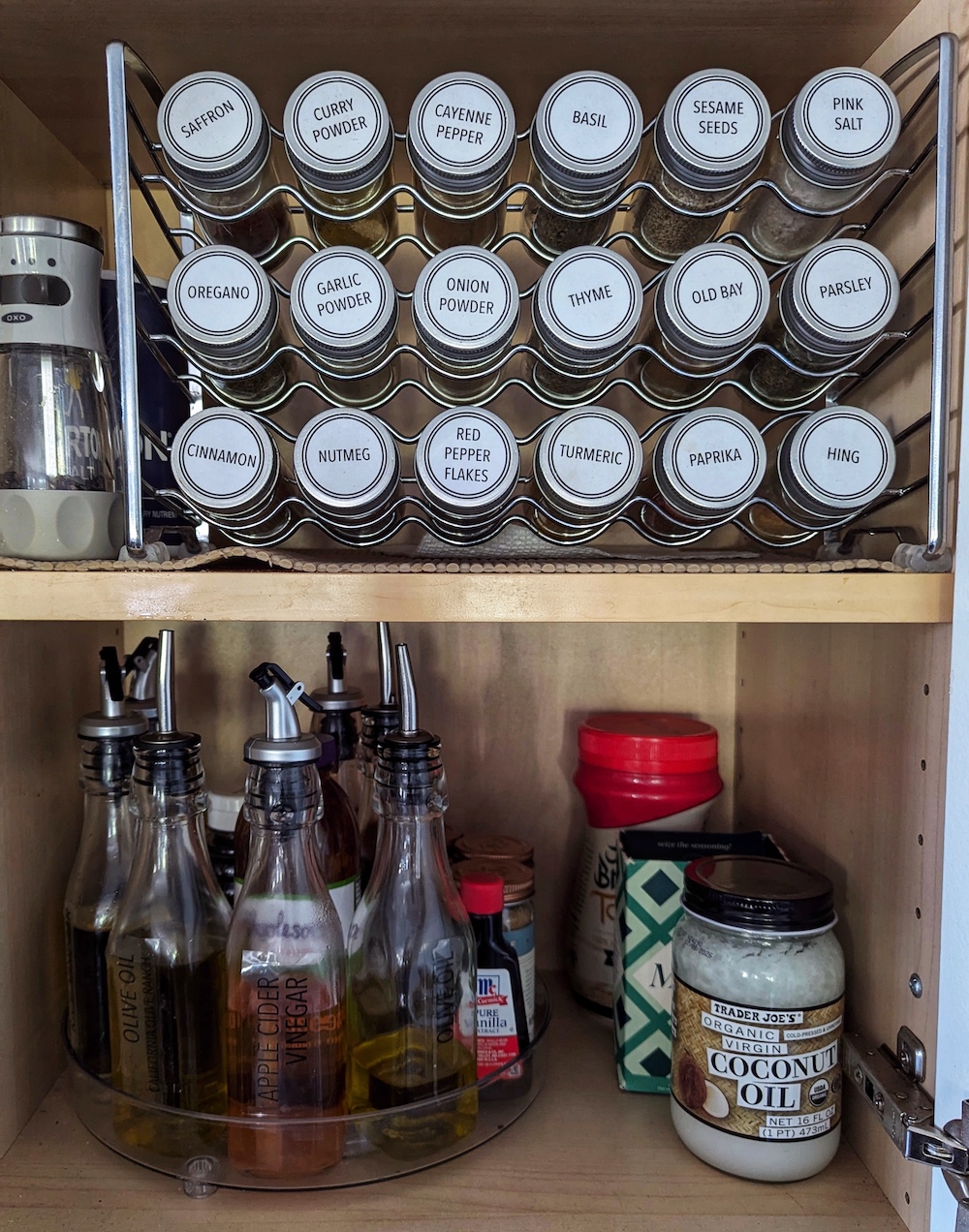
Emerging Problems
Complementary spices, not backstock, started to accumulate in the pantry as recipes became more adventurous. My husband began leaving additional spice jars around the kitchen, or otherwise he would inefficiently head back to the pantry to grab spices as needed.
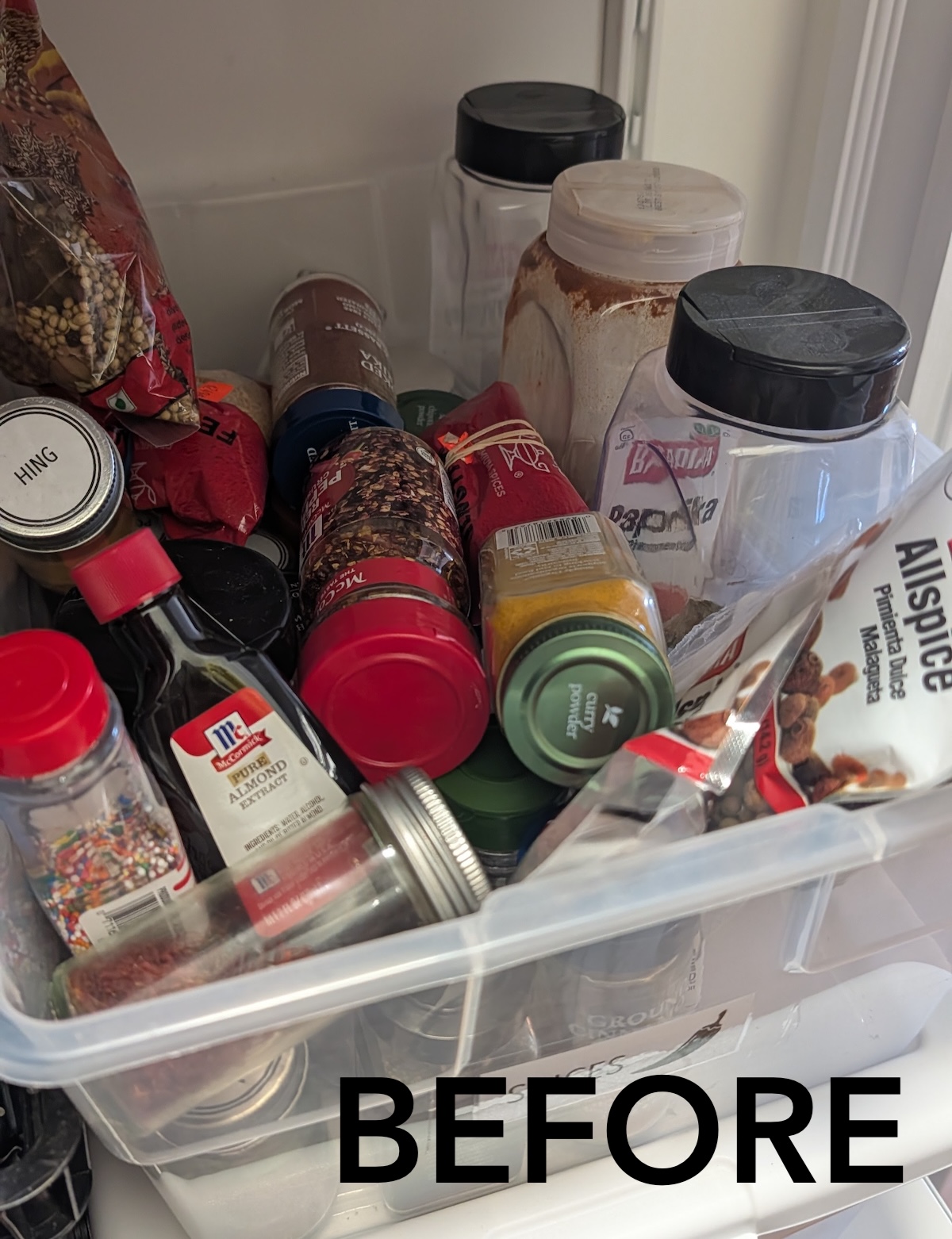
Eventually, the hard-to-see pantry inventory led to half-empty containers and accidental purchases of duplicate spices we already had!
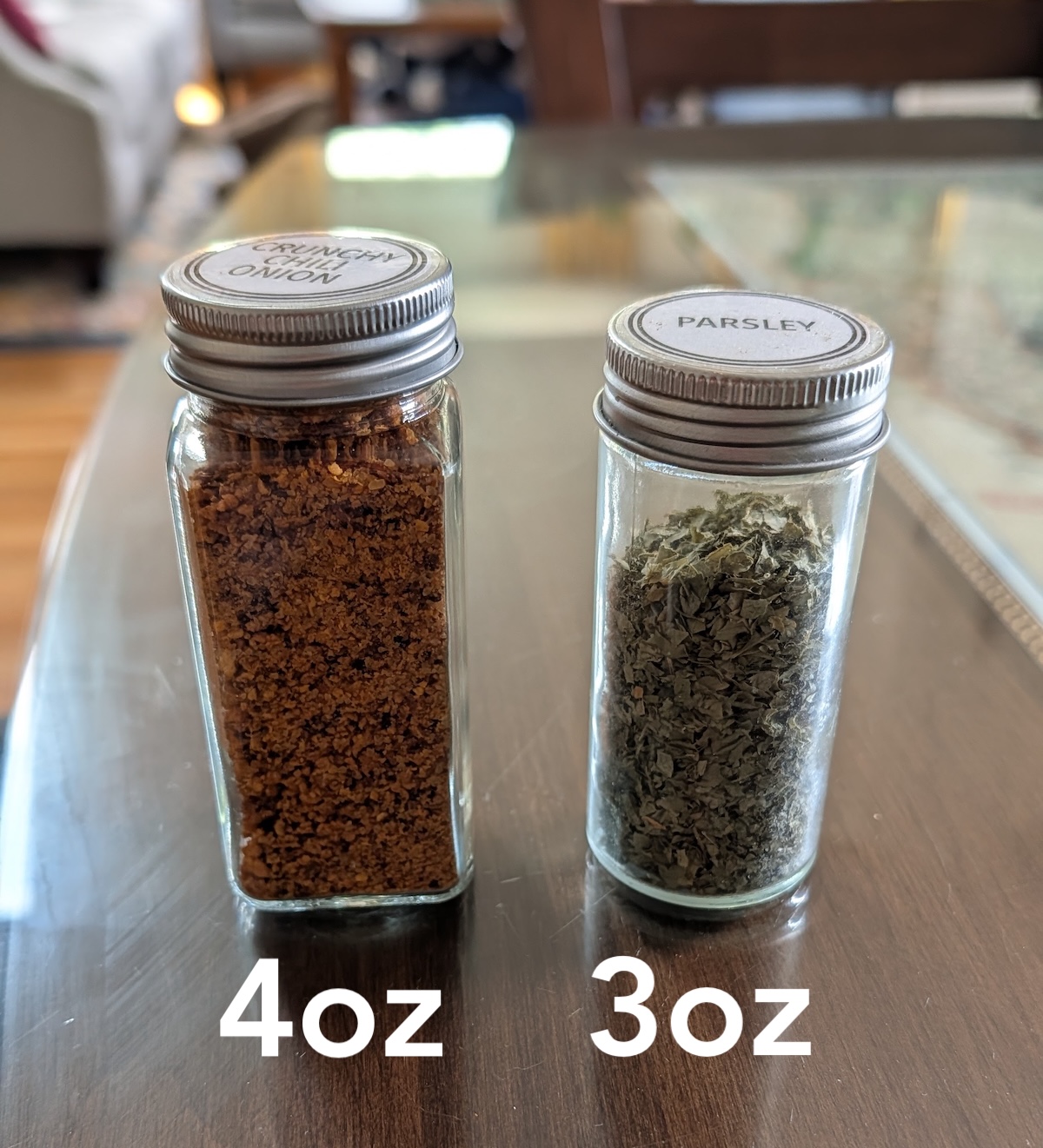
Spices are sold by weight, not volume. I hadn’t realized that 3oz spice jars would rarely fit the full contents of a newly-purchased spice, but a 4oz spice jar would!
The new stoveside salt well requires frequent refilling, so purchasing salt in a much larger (and harder to store) box was more efficient and economical.
The Spices Fix!
So I got to work…
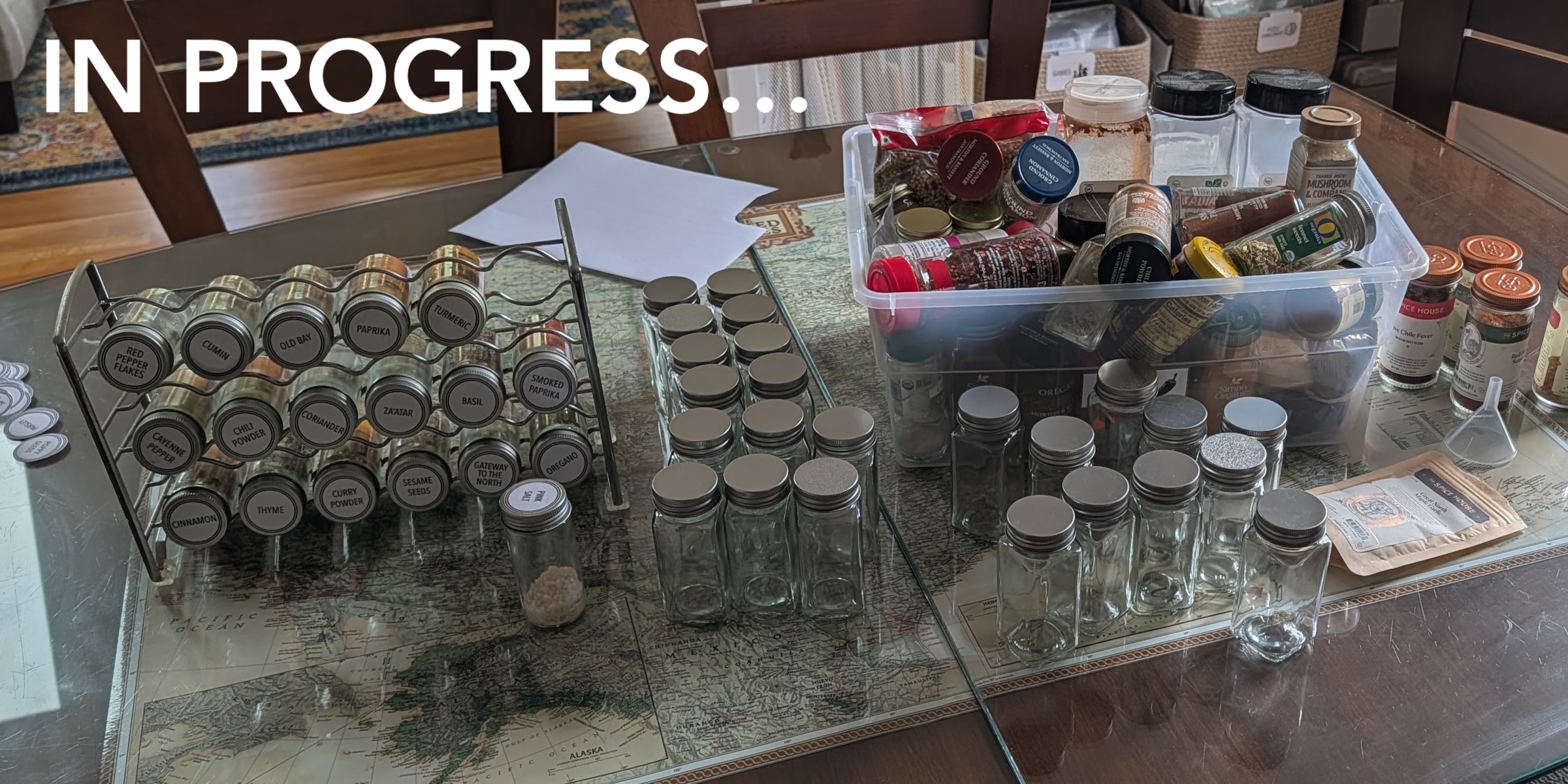
I moved all of our spices into 4oz square jars that wouldn’t roll around on a new spice rack that now extends the full width of the cabinet to store more frequently-accessed spices. The salt refill box is now on the top cabinet shelf (instead of the pantry) next to the masala dabba (for Indian spices).
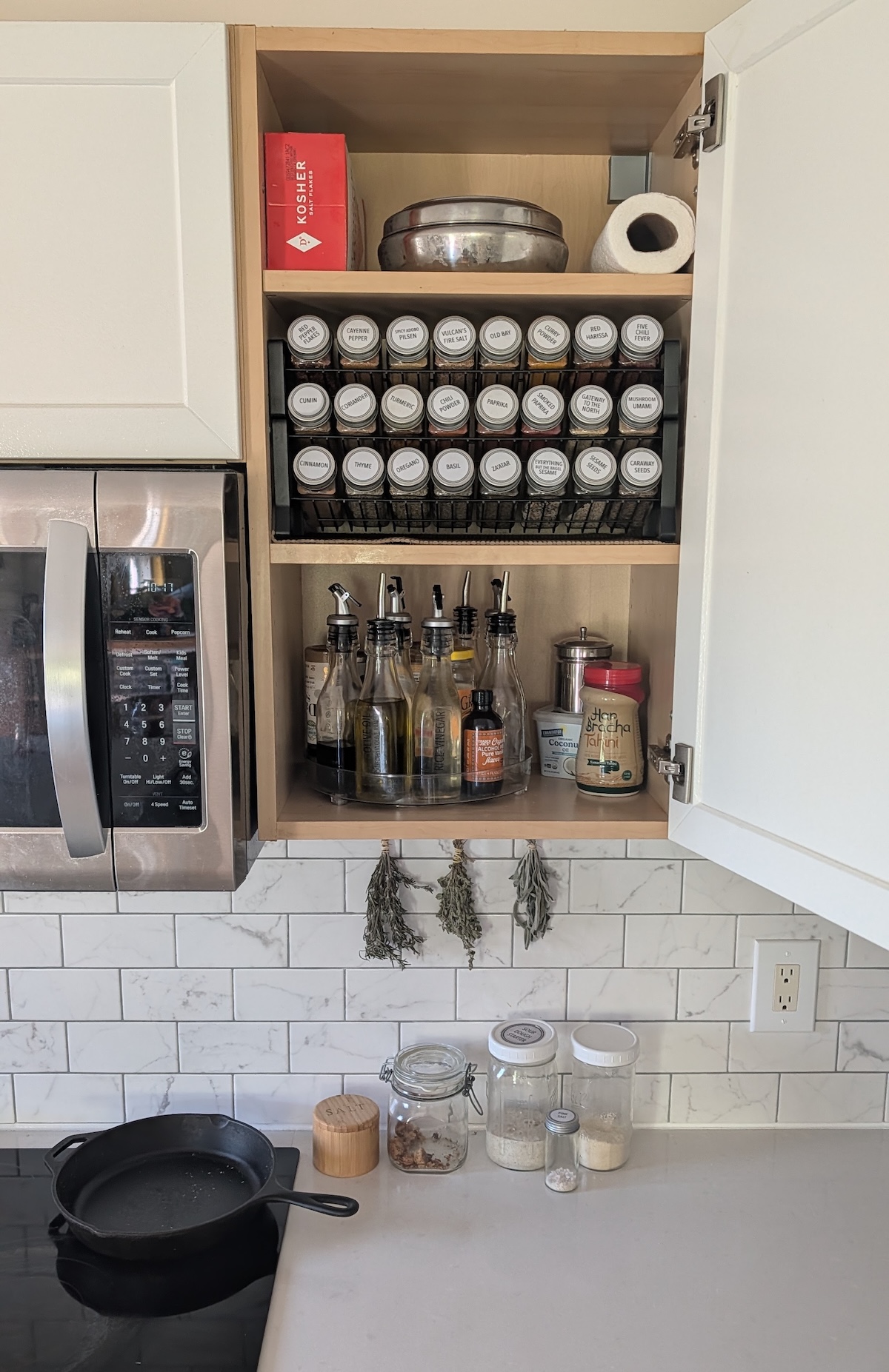
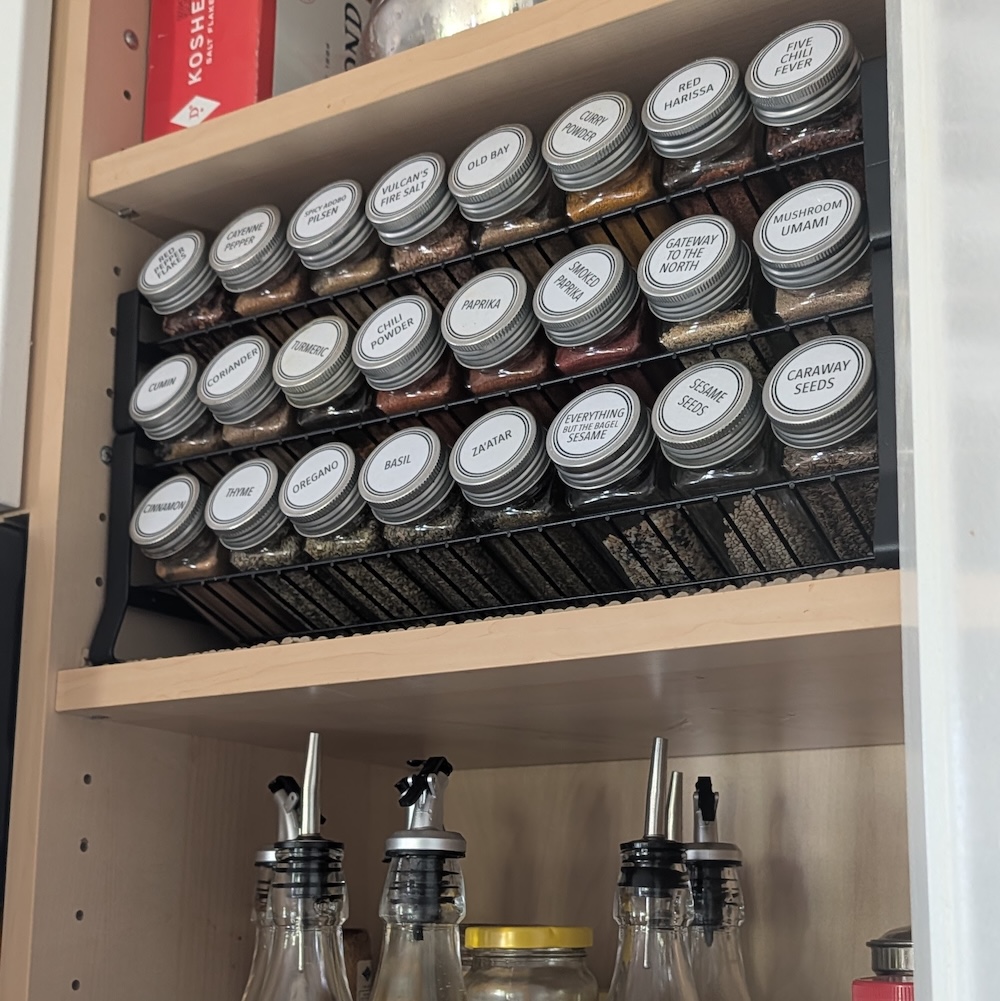
The pantry now houses complementary spices by design, and sometimes backstock in the rare cases that a newly purchased spice isn’t immediately transferrable in its entirety to a 4oz jar. Lids are clearly labeled.
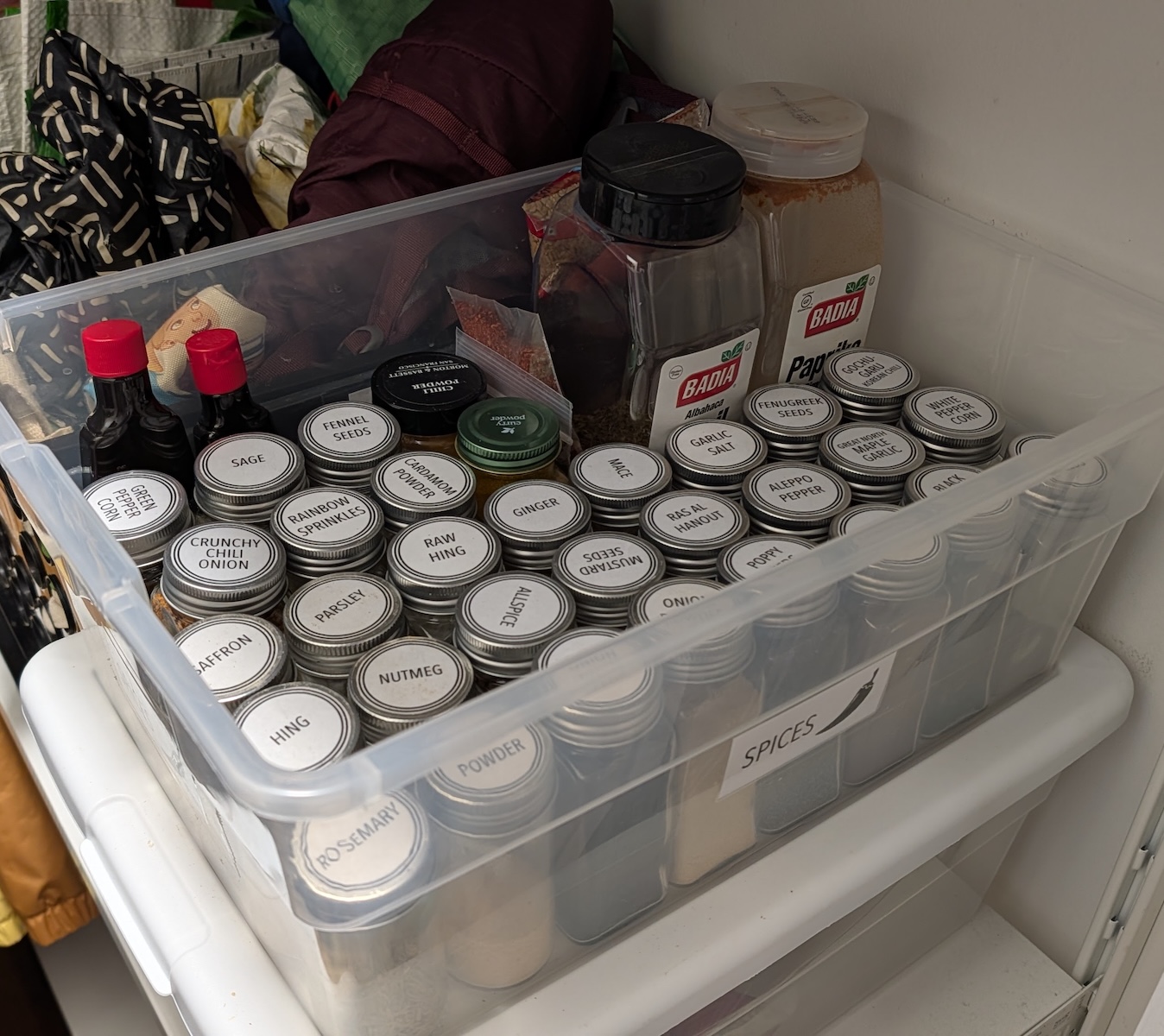
Exhibit B. Flours
Iteration 1
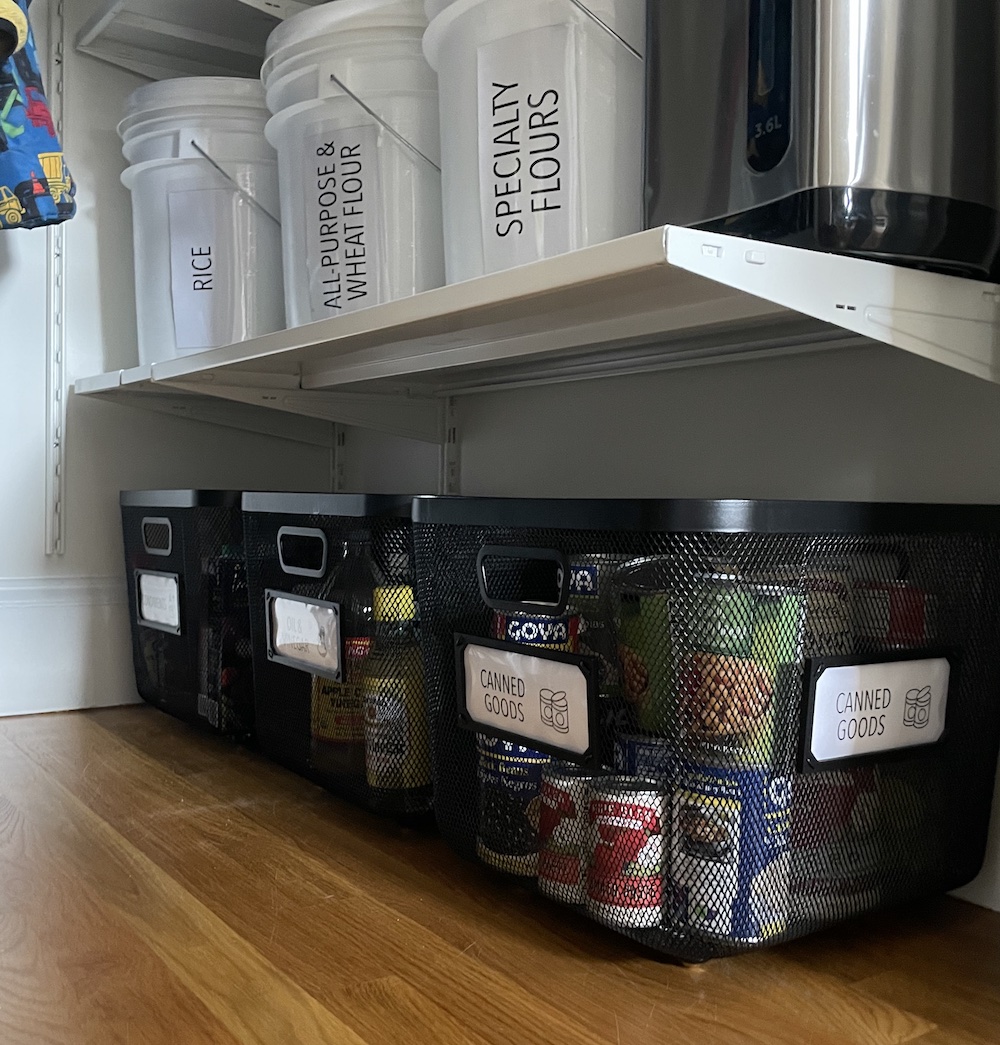
We had been using 5-gallon food-safe bins for storing all sorts of specialty grains and flours that we pick up in bulk once per year through our grain share CSA.
Emerging Problems
Grains were getting lost. Stored in nondescript, opaque bags in the original food-safe bins, they were easy to forget.
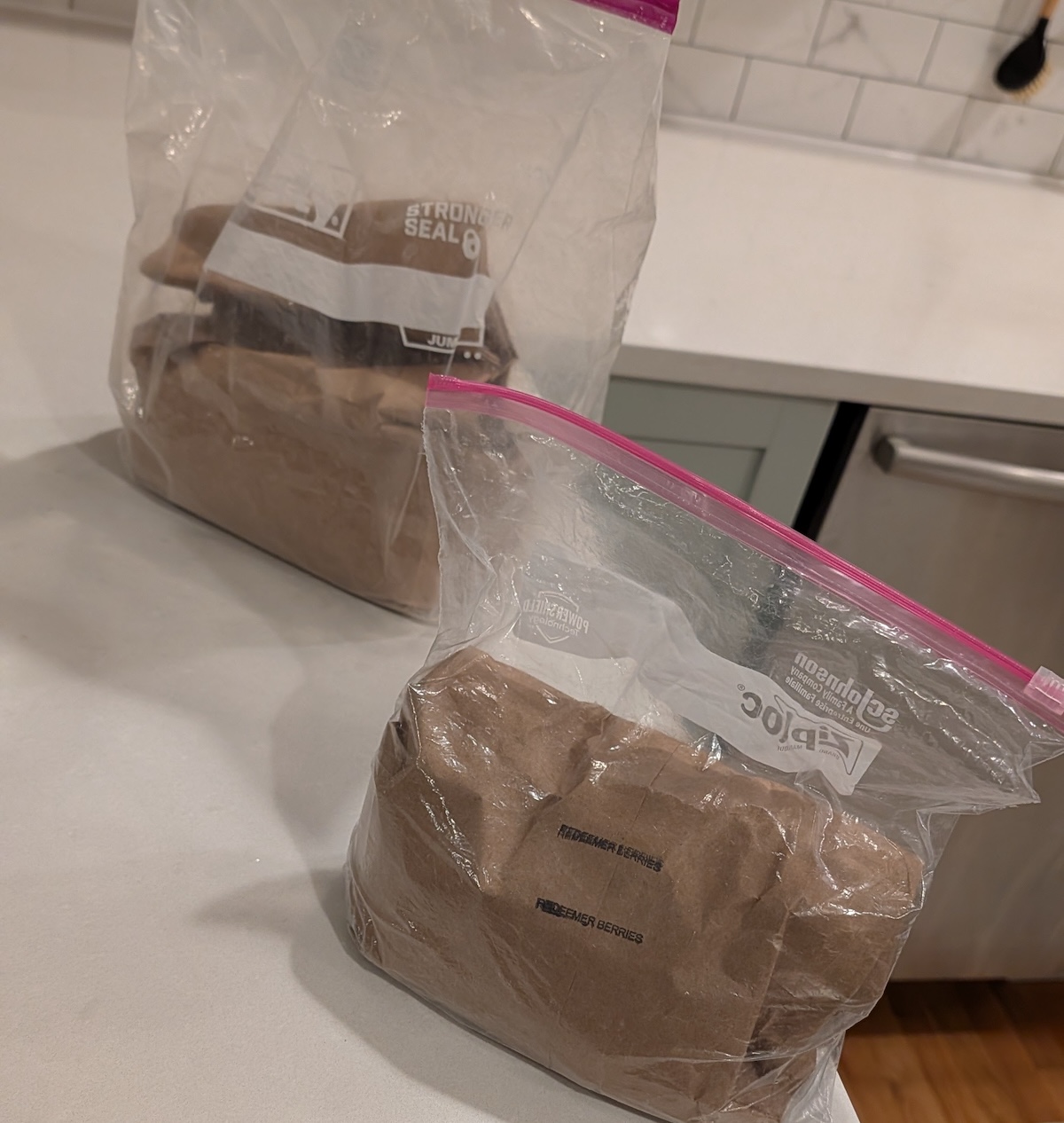
Whole-wheat blends need multiple raw ingredients. Blending custom proportions of different grains works best when raw wheat berry varieties and groats are findable and stored near their freshly-milled counterparts.
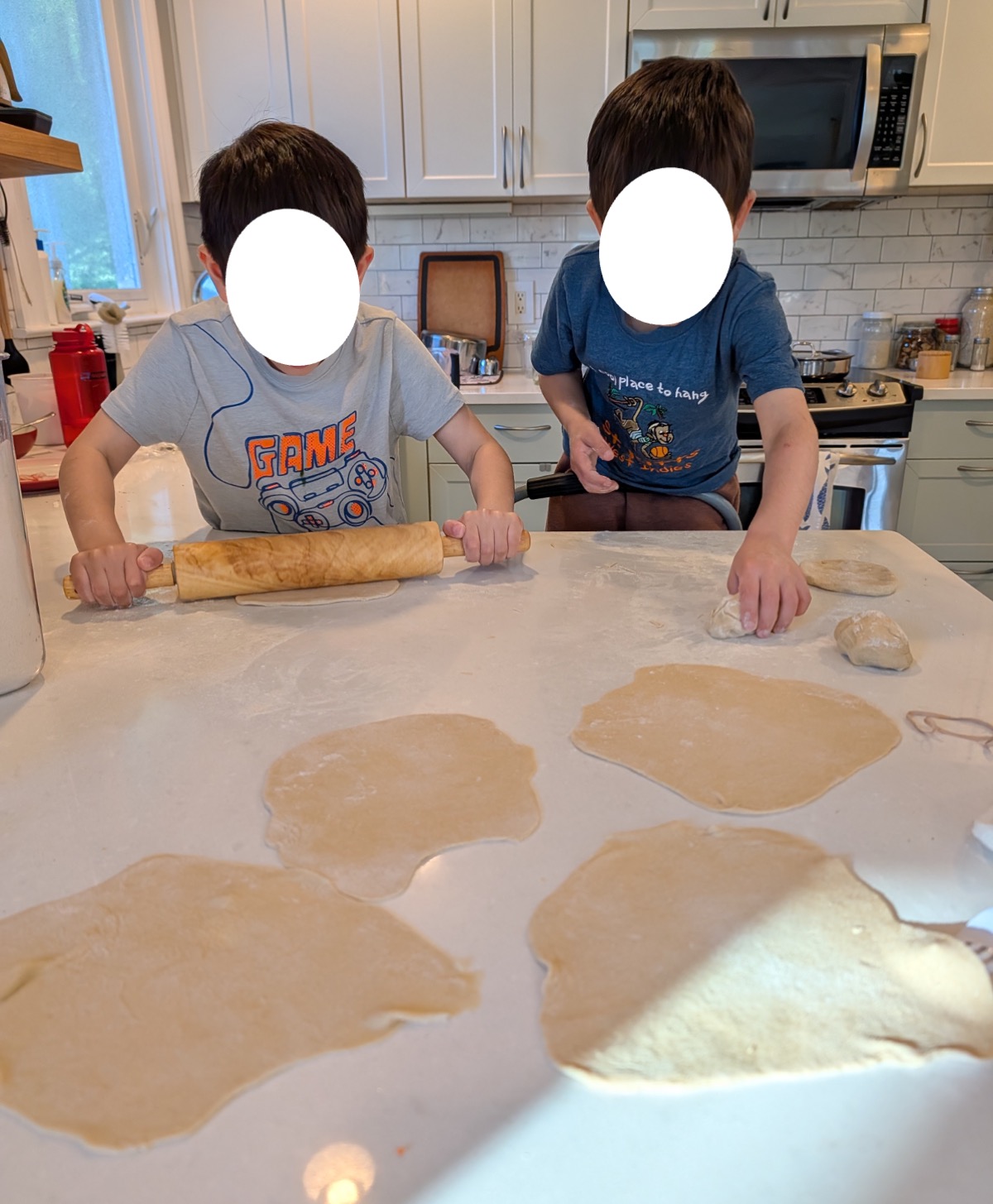
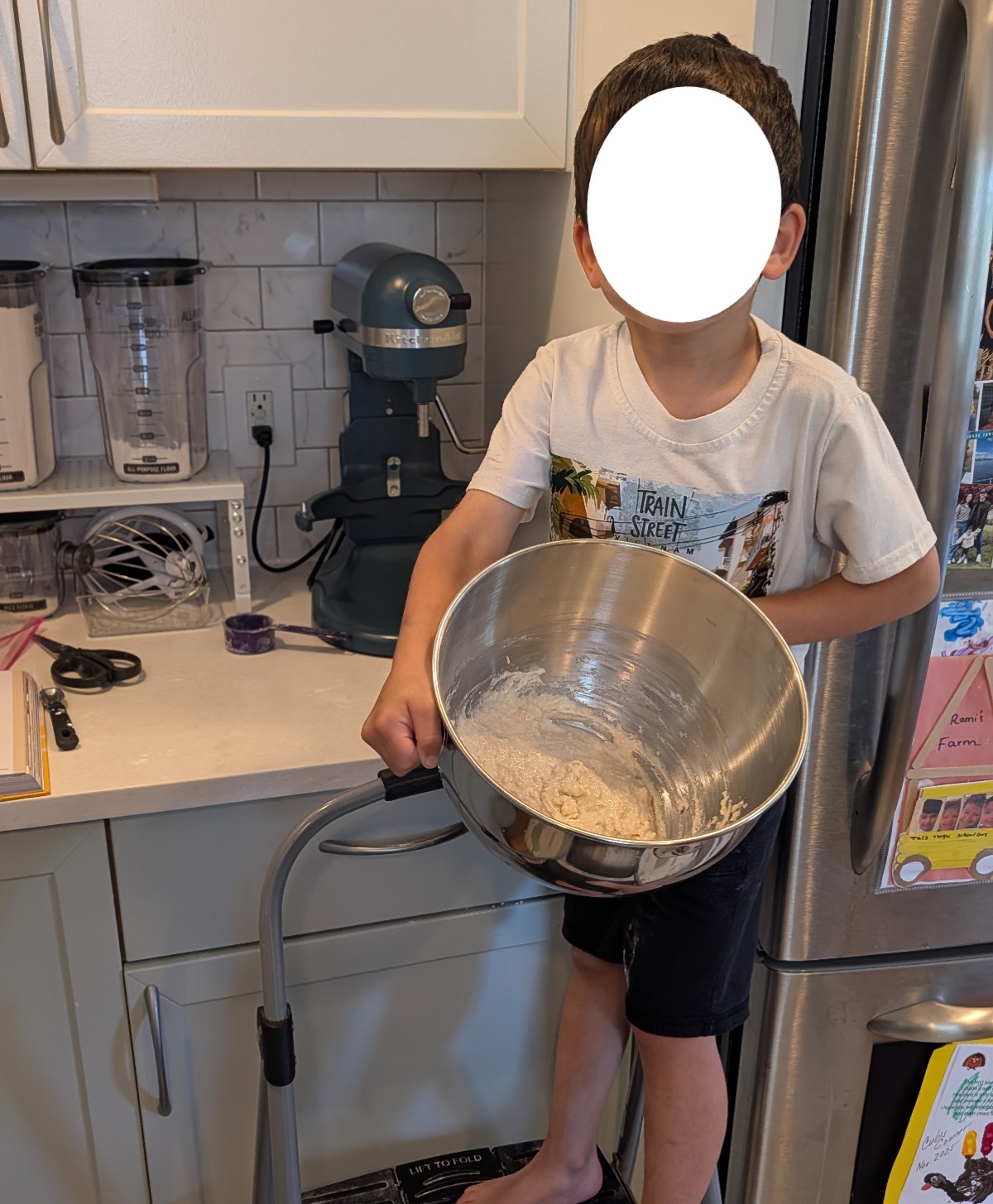
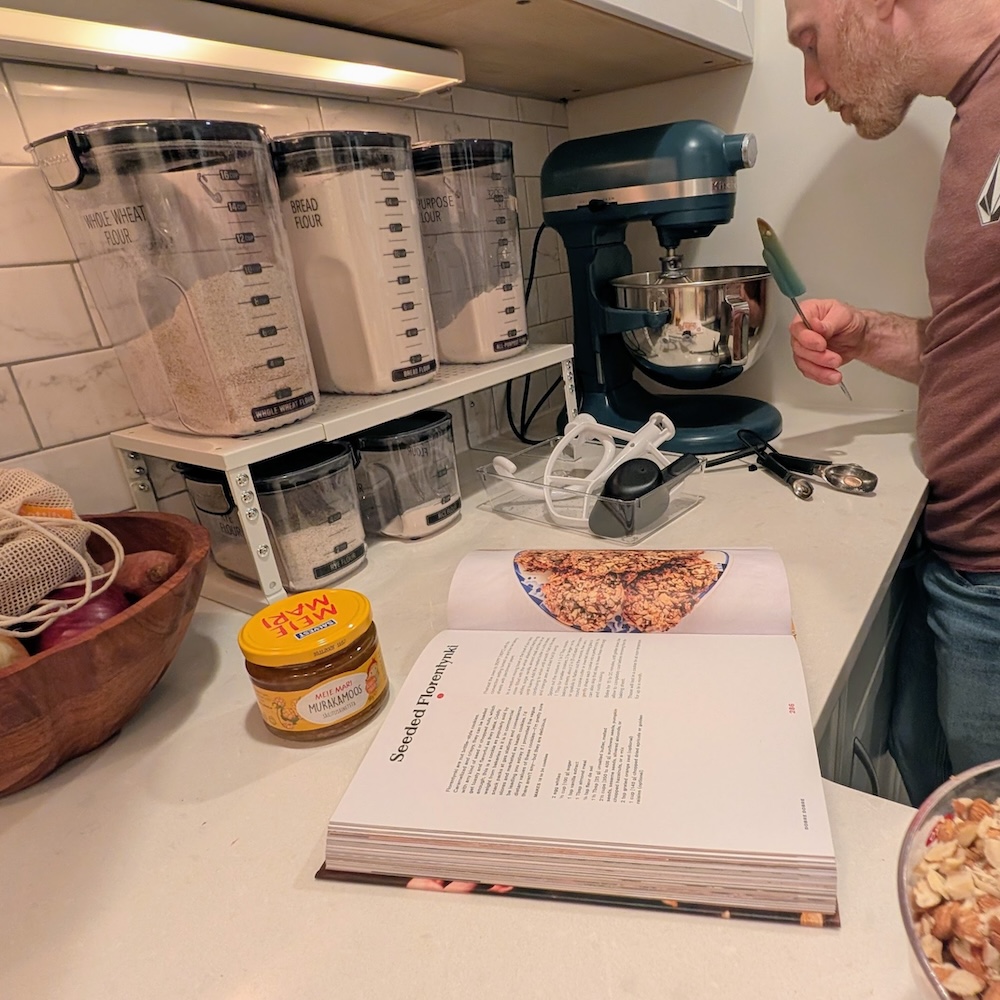
A growing baking habit. The kids love to help, and increased baking finally justified the purchase of a KitchenAid stand mixer. It’s heavy enough to live permanently on the counter, and the optimal setup should accommodate countertop flour storage, too.
The Flour Fix!
After reading about professional baking kitchens, I decided to buy ProKeeper+ containers, which are optimized for flours and various types of sugar.
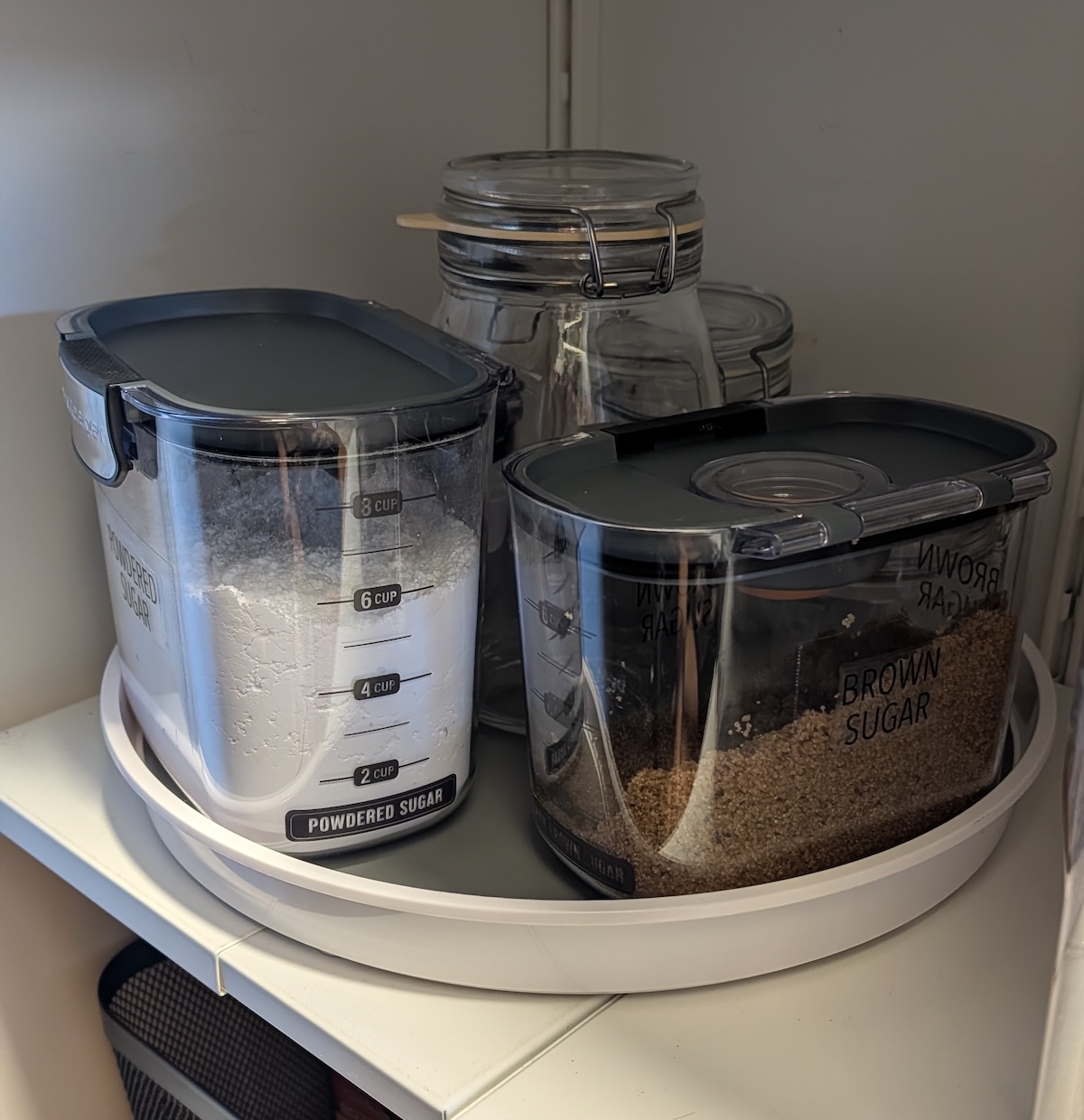
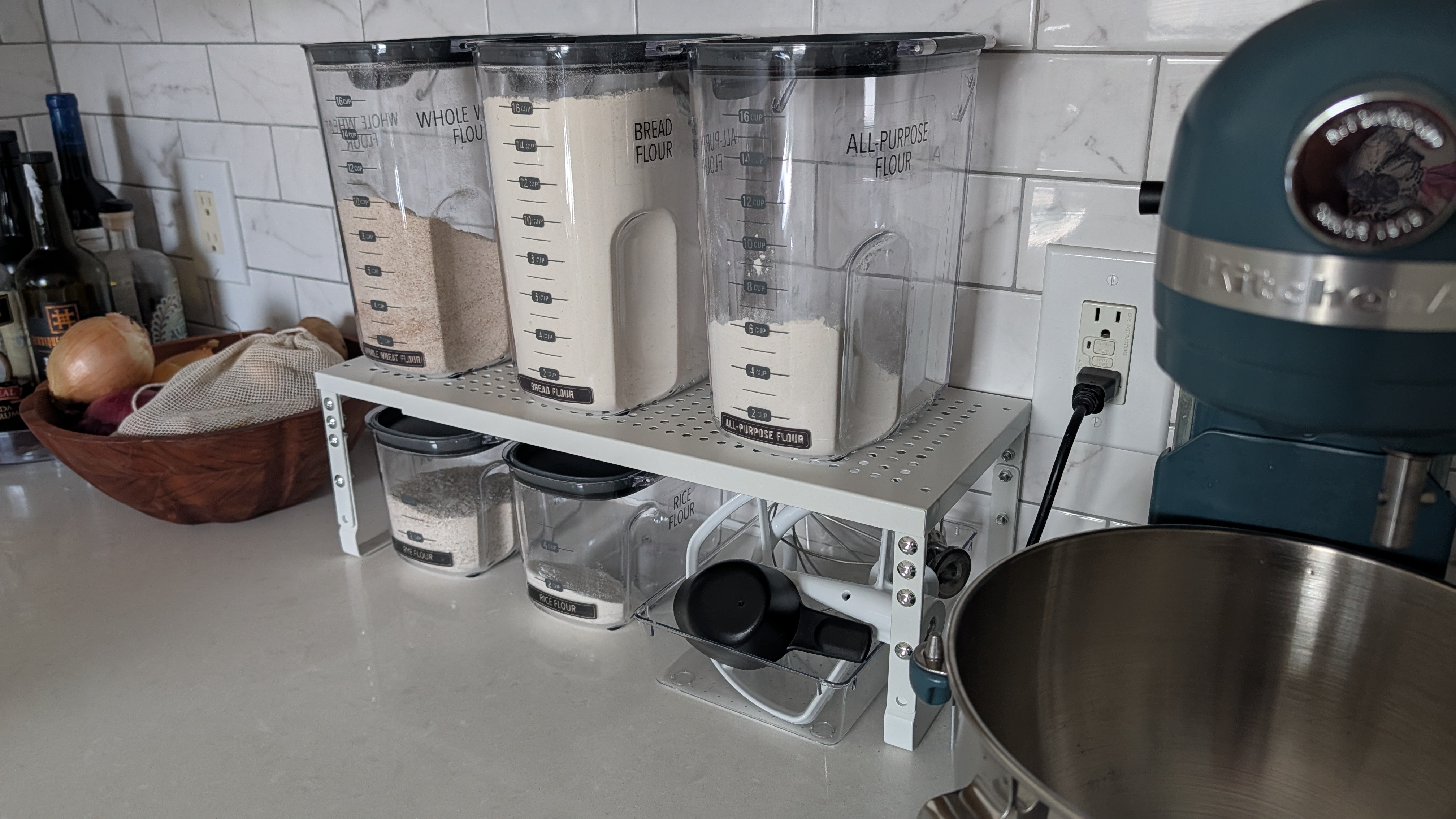 The flour containers fit standard-sized bags and include magnetic levelers. The brown sugar container includes a terracotta disc to prevent clumping, and the powdered sugar container comes with a dusting spoon.
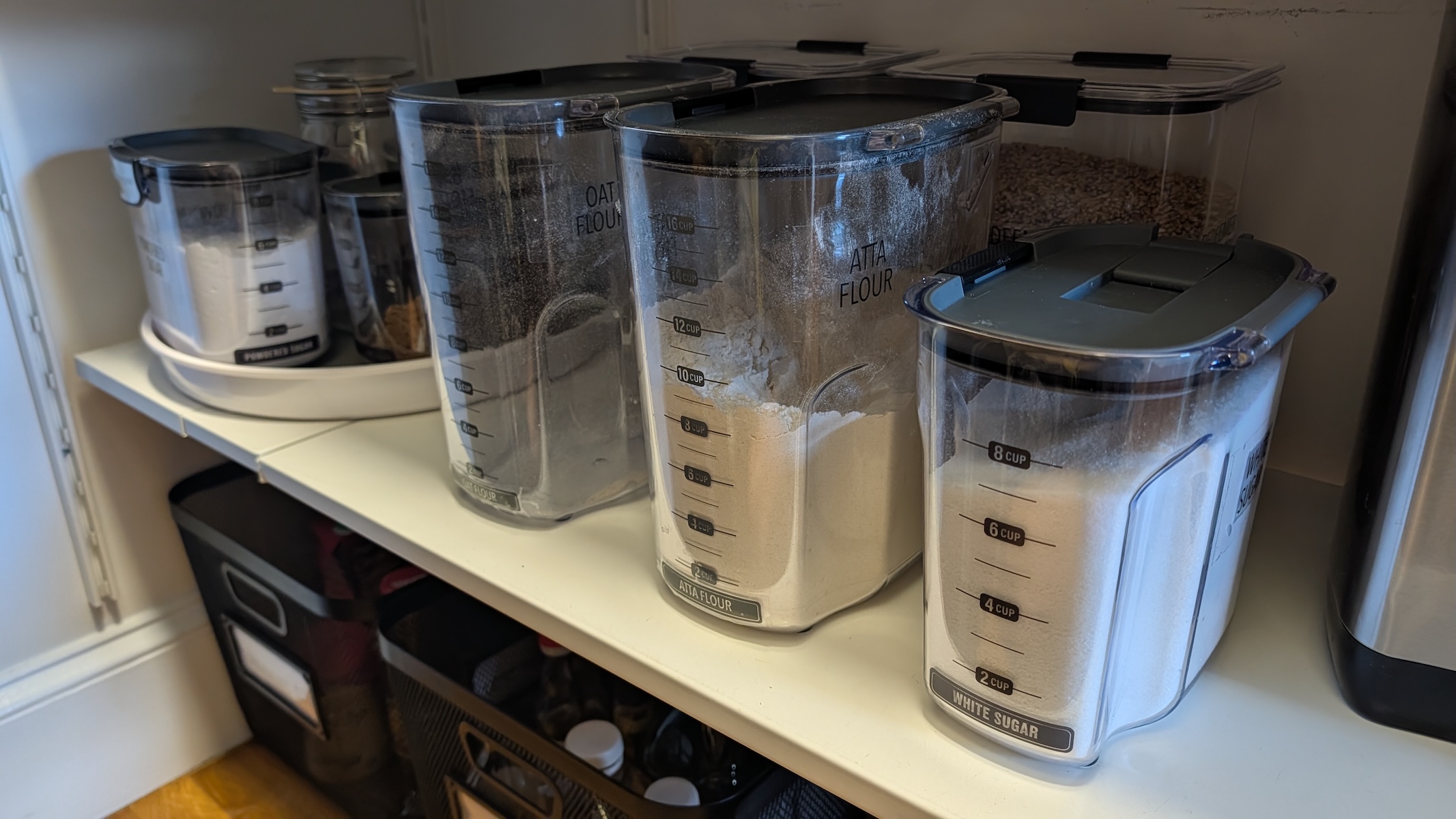
In the pantry, we finally ditched the opaque bins, and began storing other specialty flours and sugars. The unmilled grains are stored in Rubbermaid Brilliance containers directly behind their milled flour versions.
In the corner, I added a 15” lazy susan for sugars and other baking ingredients.
Cost (New Products)
It feels silly to detail “costs”, because the amazing bread and baked goodies all three of my boys make me is priceless. Making things look good and function well is my contribution to the baking escapades!
Here’s what we bought for this project, though:
| Materials | Cost (+ tax/shipping) |
|---|---|
| 2 boxes 4oz spice jars | 0 |
| 18” wide spice rack | 0 |
| 15” lazy susan | 0 |
| expandable countertop shelf | 0 |
| 2-pack ProKeeper+ specialty flour containers | 0 |
| 4-pack ProKeeper+ large flour containers | 0 |
| 5-piece ProKeeper+ baking containers | 0 |
| TOTAL | $0 |

Shilpa Kobren is the Associate Director of Rare Disease Analysis at Harvard Medical School where she focuses on analyzing genomic sequencing data with patient clinical information to derive insights into human diseases. Shilpa lives in an 1890s urban apartment in Cambridge, Massachusetts with her husband and two energetic toddlers. She retains her sense of peace amid the chaos by creating and iteratively improving systems that optimize daily efficiency in her family's constrained living space.